Physical Address
304 North Cardinal St.
Dorchester Center, MA 02124
Physical Address
304 North Cardinal St.
Dorchester Center, MA 02124

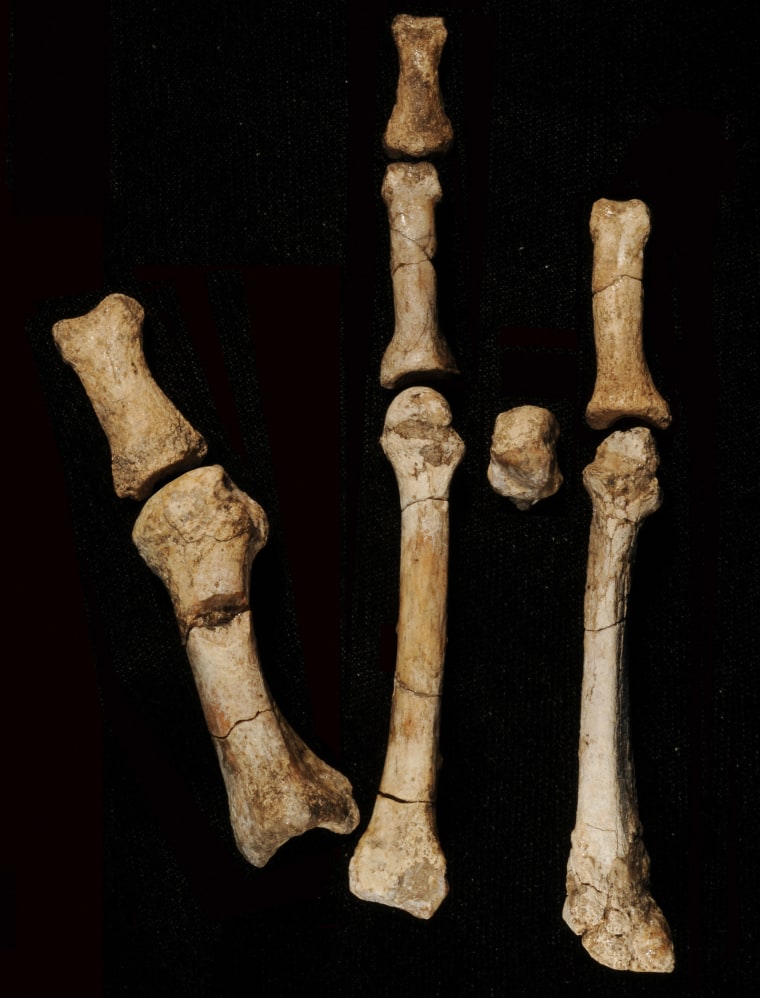
In the latest twist in human evolution, scientists have discovered that a mysterious tribe in Ethiopia belongs to an unknown ancient relative.
Based on 3.4 million years ago, the species seems to be the same as Lucy, an ancient human relative who lived, based on the jurdtrial nature.
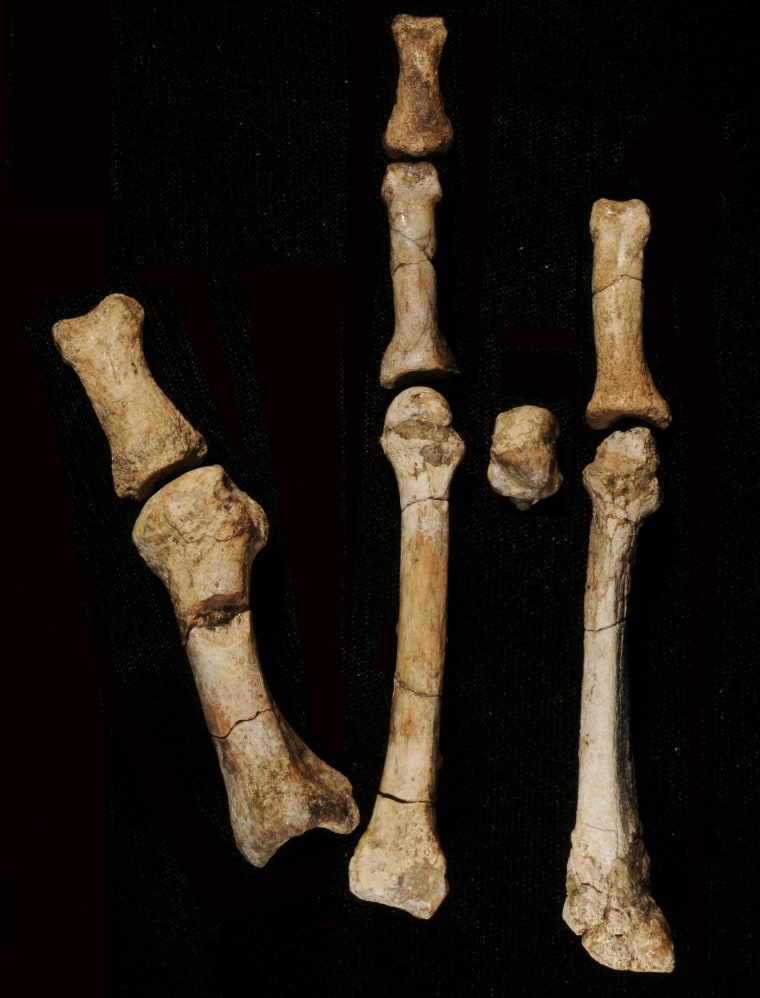
But the researchers who discovered that the donkey’s foot – named after the place in Ethiopia in Etonomia where it was discovered in 2009 – are unofficially different.
With a large housing that looks like a human thumb, dirty Burtele legs show a skilled owner, a place to spend more time in the tree than lucy, he said
The leaves, species of Lucy have been considered the ancestors of all later – ancient relatives related to humans, rather than cheuk hominges.
Scientists cannot confirm the foot belongs to a new species until they can study new fossils, including a macotreat, including 12 teeth, found at the same site.
After identifying them as Australopithecus Dyiremeda, they found a burtele tribe belonging to the same species.
John Rowan, an assistant professor of human evolution at England’s University of Campbroad, said his conclusion “makes a lot of sense.”
“Now we have stronger evidence, at the same time, there is a clear difference but it is adaptive,” said Sowdan, who was not involved in the Surdaye withdrawal.
Studies also look at how these species share the same environment. Times research, led Yohannes by caile-times-general Negers University, concluded that the new species that spend in the forest in the forest in the forest in the forest.
Lucy, or Australopithecus Afarensis, likely left the ground, he said, before pointing out that the two different species had different diets and used different paths.
Even some recent tests show that A. Dyyiremeda is more primary than Lucy and likely relies on a diet of leaves, fruits and nuts, he said.
“This difference means that it is not clear to be advanced.
The broad impact of this discovery on our understanding of evolution, Alamakan Imman by email that the discovery reminds us of one species easily and another species. “
On the contrary, he said, it should be seen as a family tree that has several “cousins” “living at the same time, and each of them has an effective way. “Why do they interact? We will never know the answer to that question,” he added.
Rowan also mentions that the number of species related to humans causes, thus doing our question about our birth. “Which species is our direct ancestor? Which one is a close relative? That’s the part he said,” he said. “As the specificities of the species grow, so do the reconstruction numbers that are read for how human evolution played out.”
And wiseman is warned against the task of the exact species, because it must rest in the part defined for the skull of the skull and the associated losil. While the new research strengthens the case for A. Dyiremaied, he said, it “does not rule out all other interpretatives.”